Respect the evidence.
We make complex ideas accessible while keeping their meaning intact. Uncertainty, context and the limits of a finding belong in the story.
From grasslands to kelp forests and the deep sea, we help people see what research reveals—and why it deserves their attention.
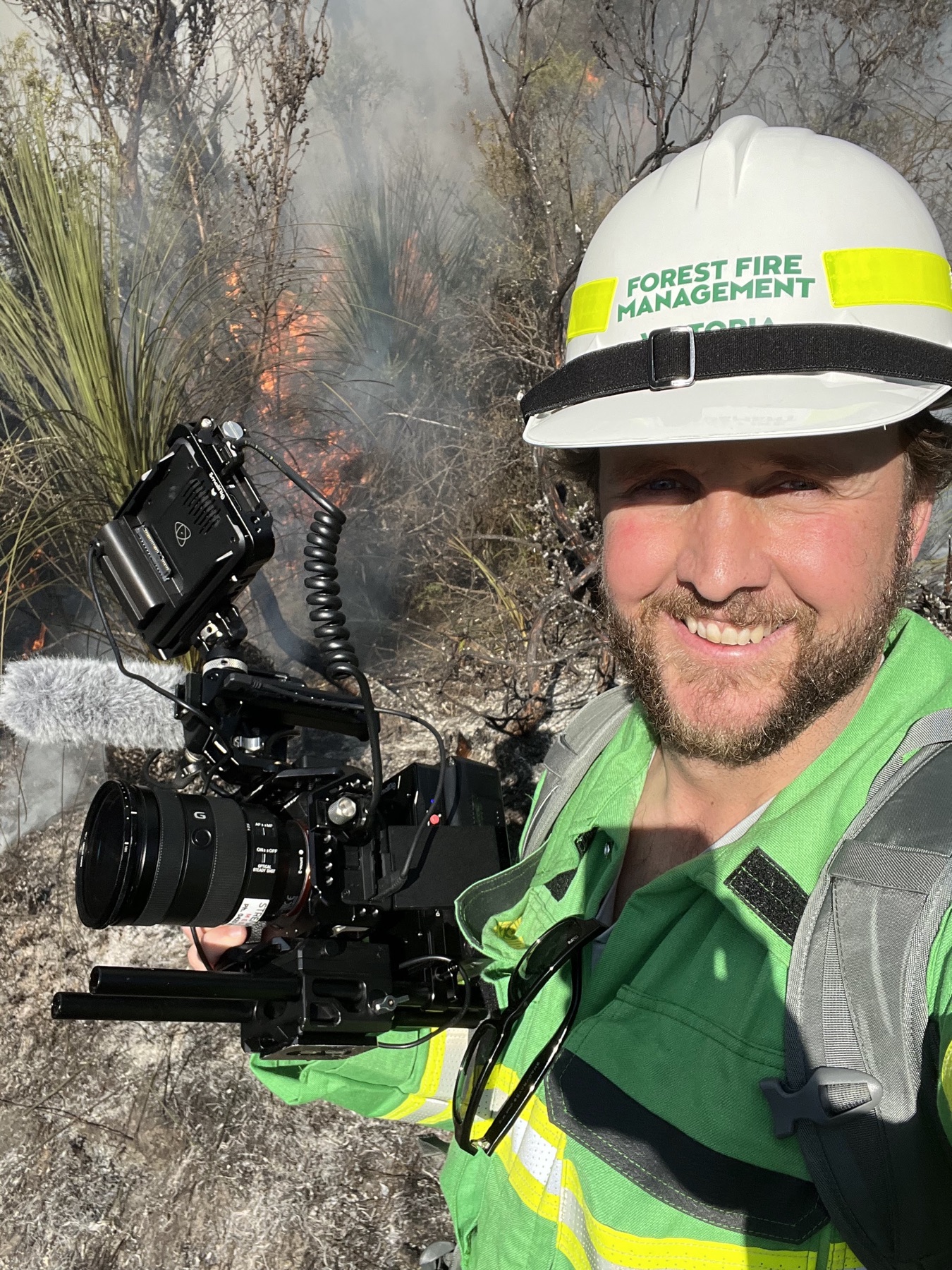
A compelling film begins with a good question. A responsible science film stays curious long enough to understand the answer.
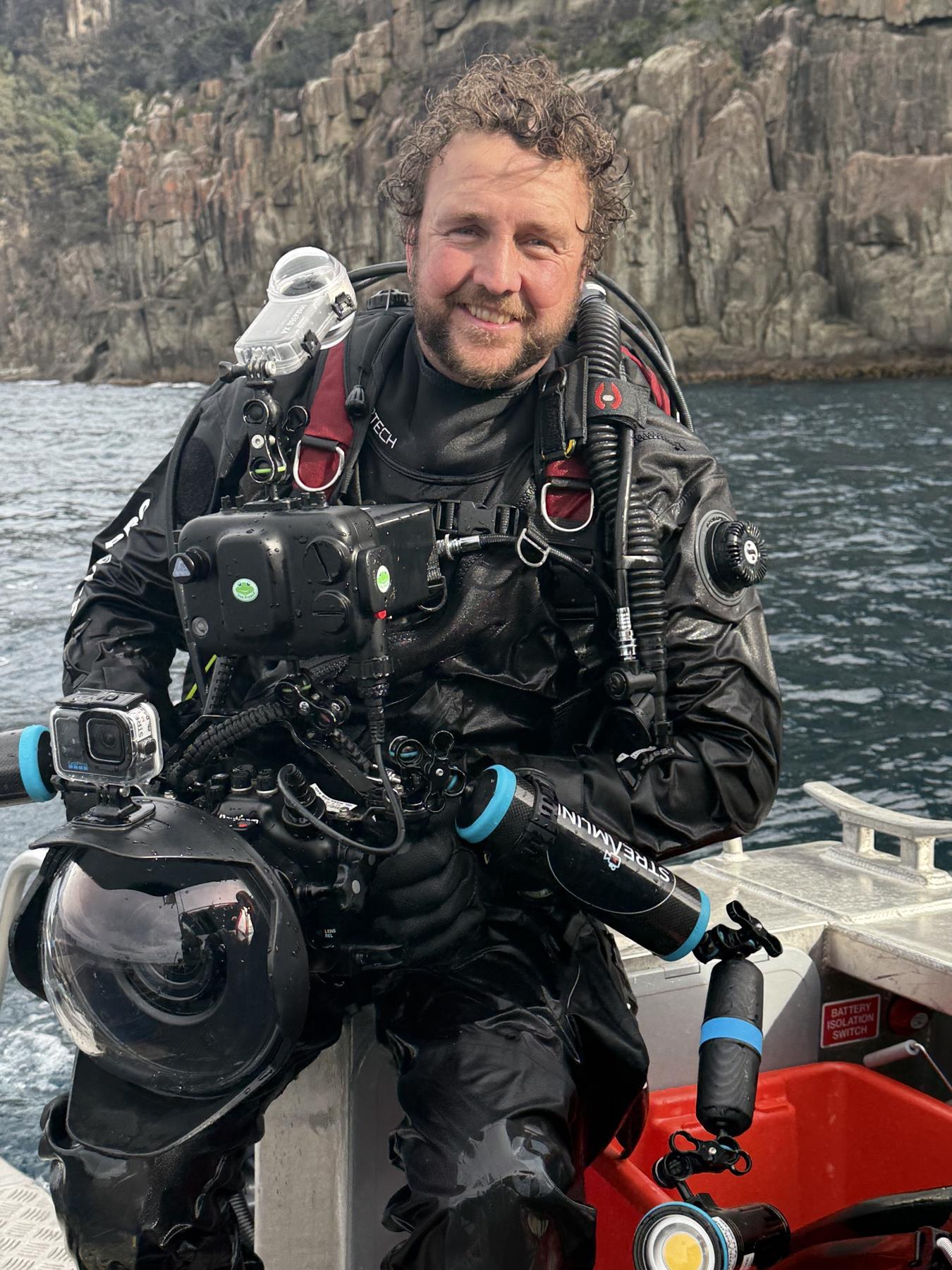
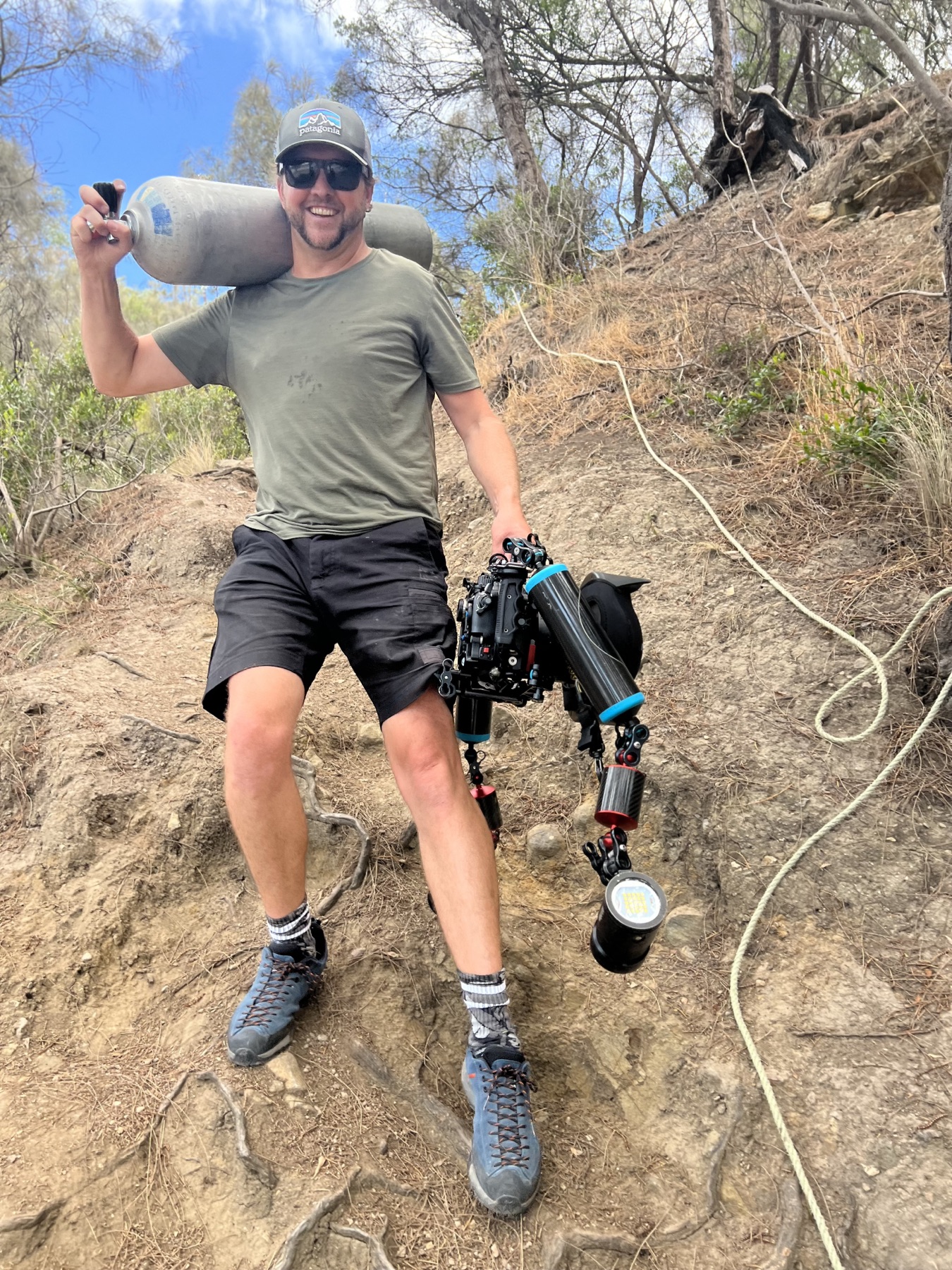
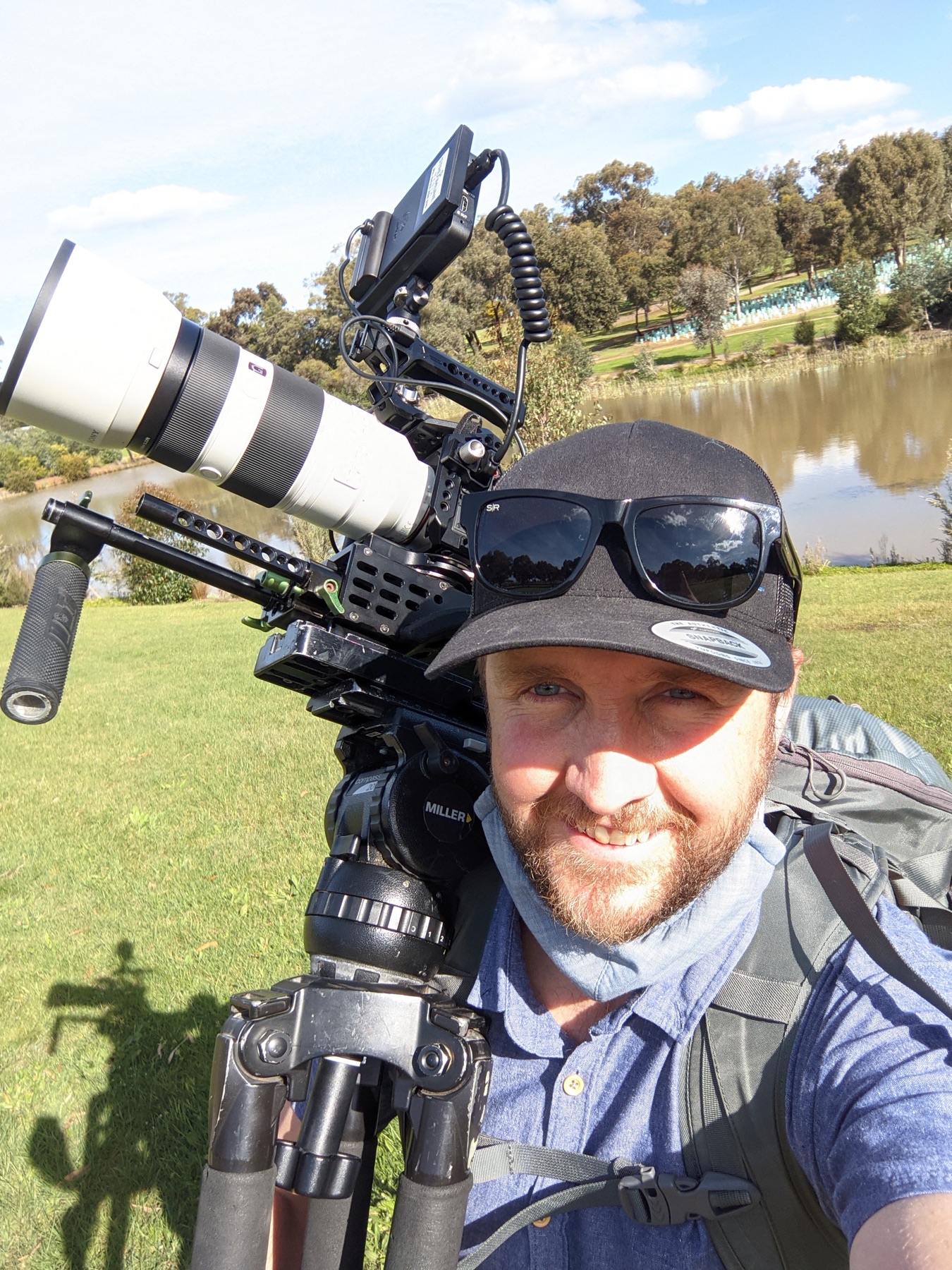
Streamline Media’s founder, Jarrod Boord, brings a background in studying biology, marine science and teaching to the way we work. Understanding the scientific process helps us ask better questions, interpret findings and recognise the difference between an observation, an emerging result and a conclusion supported by evidence.
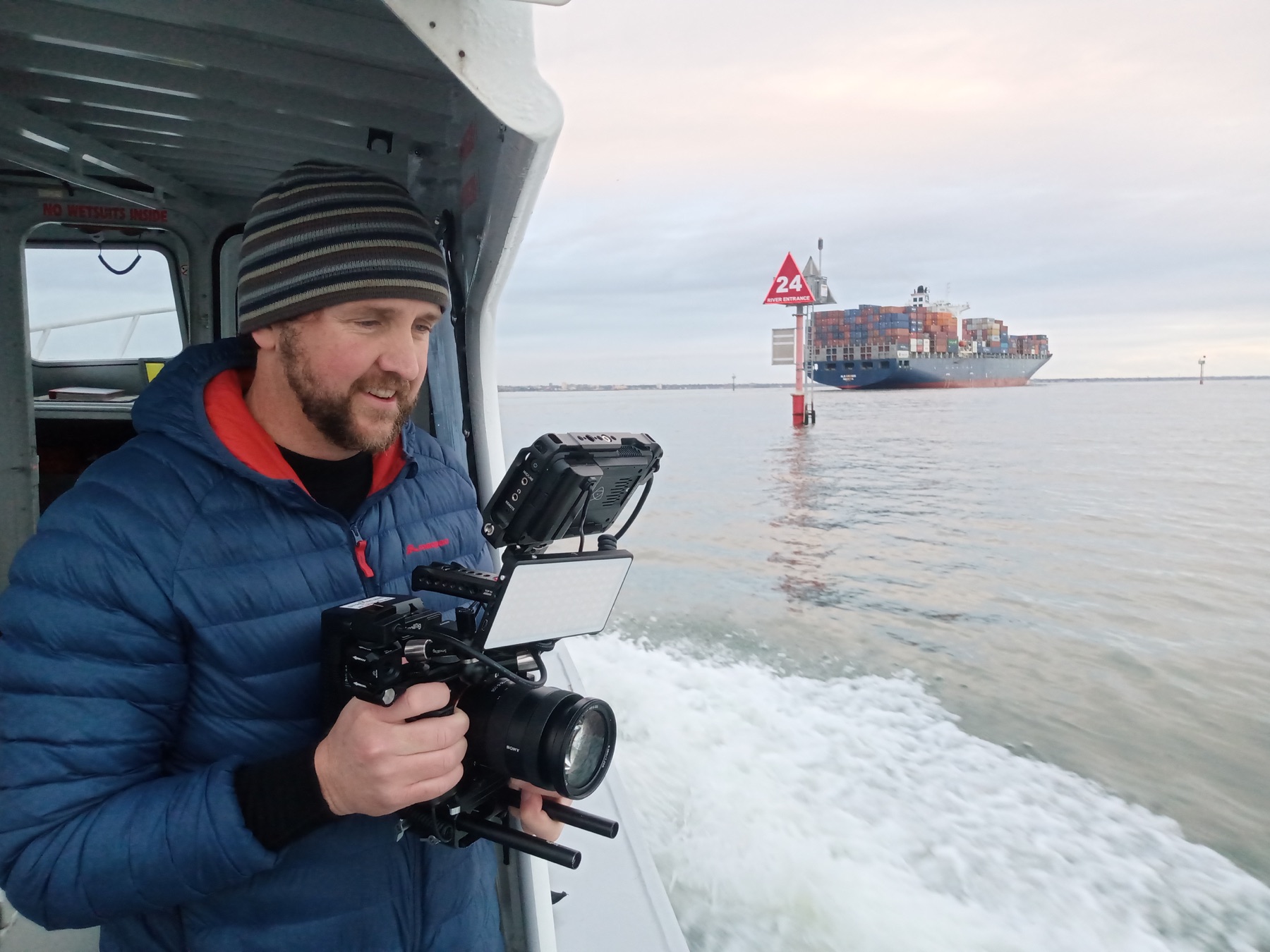
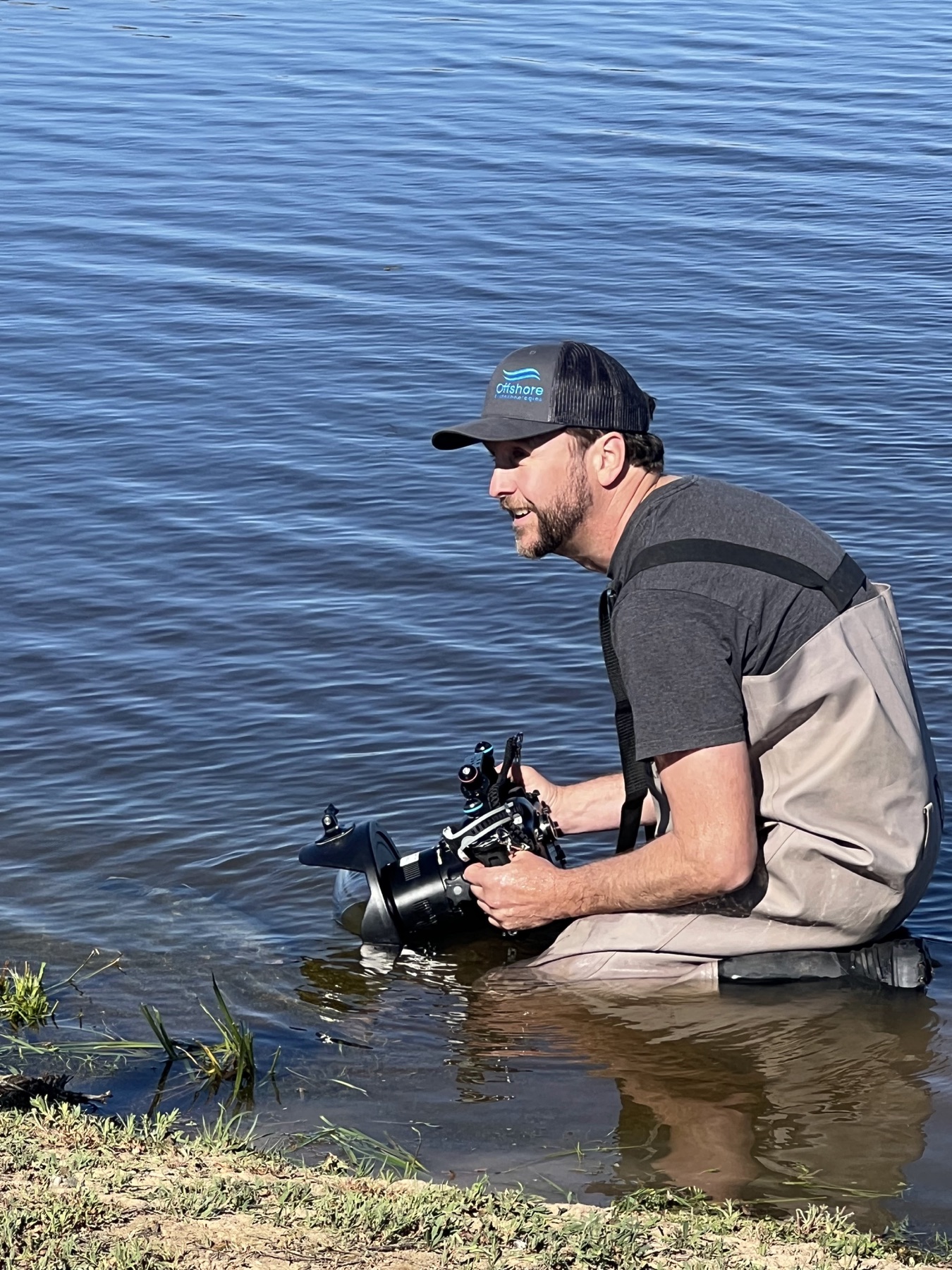
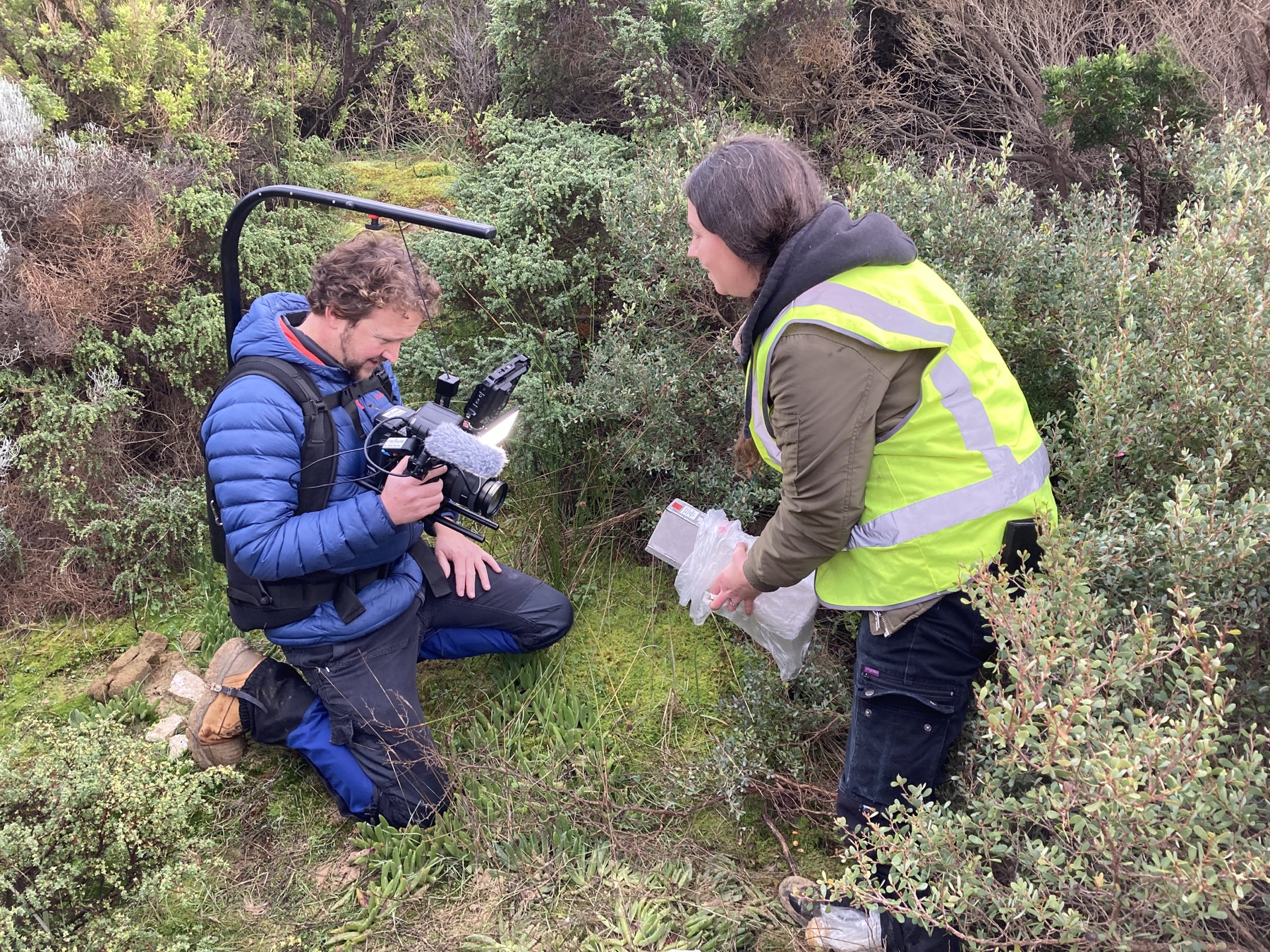
That understanding follows us into the field. Alongside filming, Jarrod contributes to conservation work and scientific methods on location. Working closely with researchers helps us understand what needs to be observed, documented and explained, while respecting the processes behind the work.
We make complex ideas accessible while keeping their meaning intact. Uncertainty, context and the limits of a finding belong in the story.
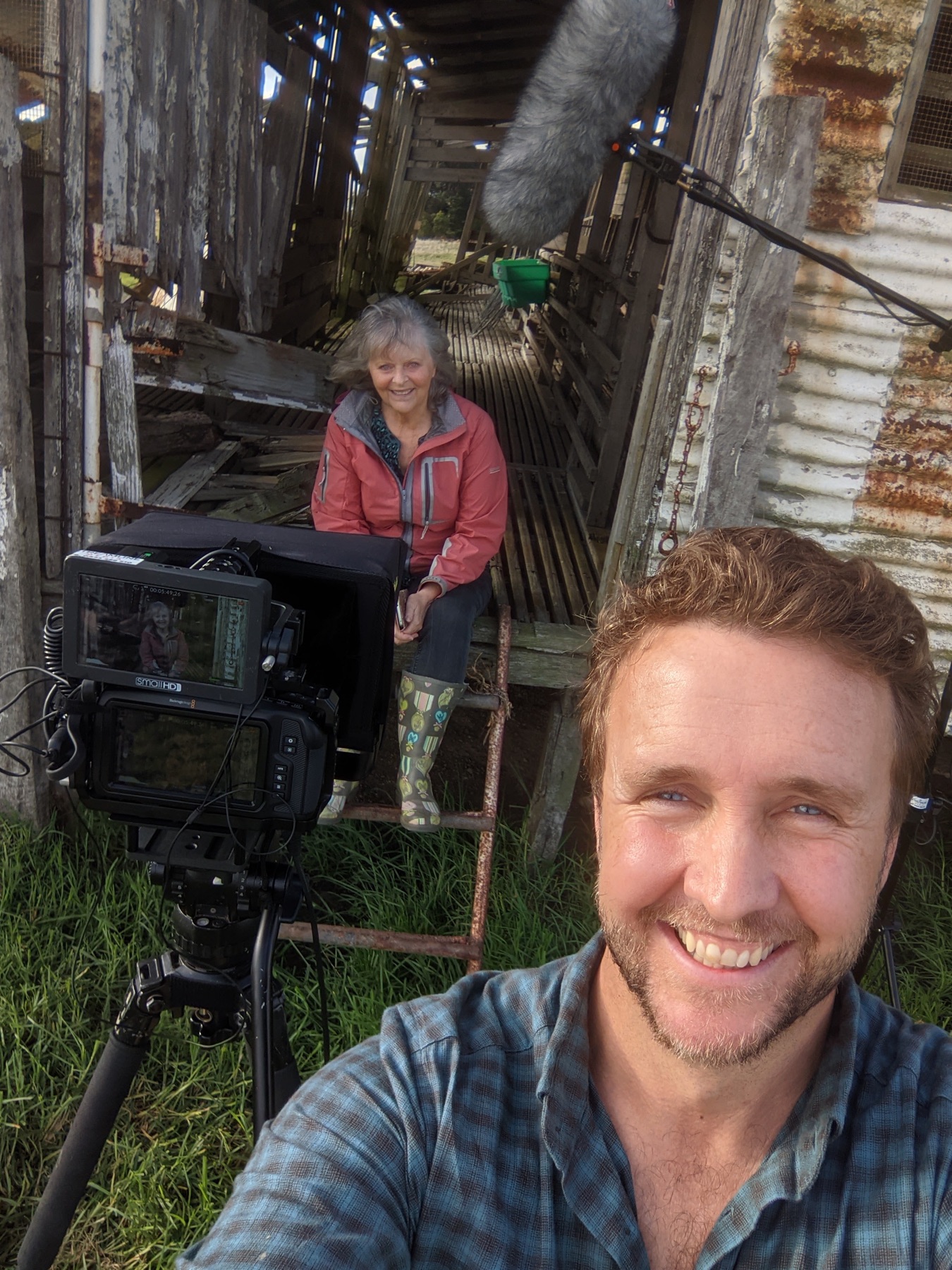
We listen to the researchers, field teams and communities who know the place. Their experience shapes the questions we ask and the images we make.
A film can help people understand an ecosystem, recognise a threat or see the possibility of recovery. We look for the human connection that makes that knowledge memorable.
Our contribution is to bring research, restoration and the people doing the work into view.
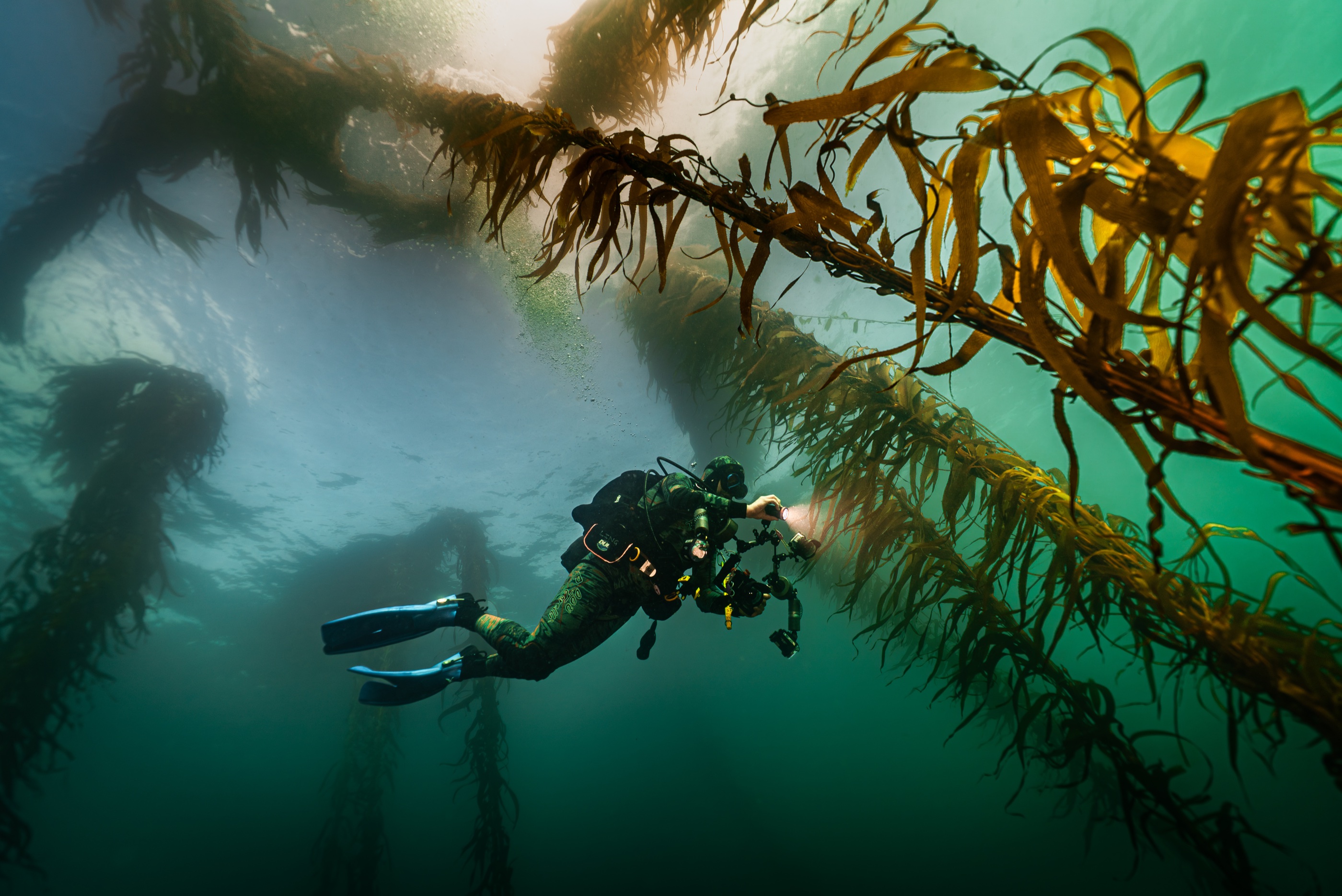
The Kelp Chronicles follows the effort to restore Tasmania’s giant kelp, connecting laboratory work with the demanding reality of outplanting at sea. Our work with the University of Tasmania’s Institute for Marine and Antarctic Studies and The Nature Conservancy brings the science and its purpose into the same story.
EXPLORE THE GIANT KELP STORY →WATCH NOTES FROM THE LAB ↗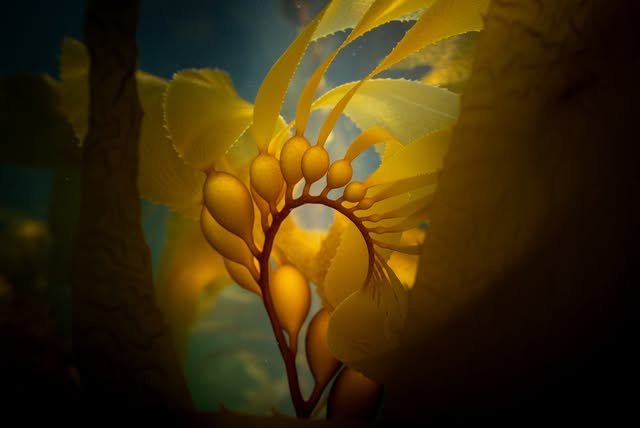
Giant kelp and golden kelp are different restoration stories. In Port Phillip Bay, work on Ecklonia radiata explores how urchin management and outplanting can help forests recover. Jarrod’s photographs document restored kelp and attachment to the reef in a published project account involving The Nature Conservancy, university researchers and Parks Victoria.
SEE THE RESTORATION WORK ↗
Shellfish reef restoration is a story of habitats that many people have never seen. Our films and underwater imagery help reveal the people, methods and living reefs behind the work—from the Swan-Canning Estuary to southern Australia.
WATCH REEFS OF RESILIENCE ↗WATCH SWAN-CANNING RESTORATION ↗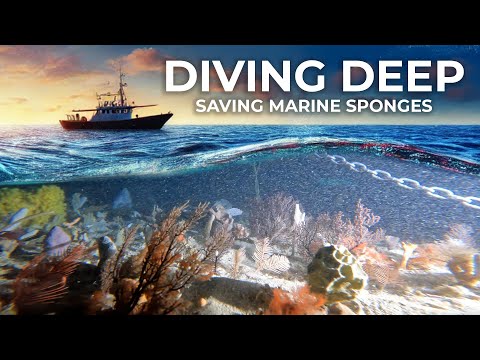
PLAY FILM ▶
Our scientific interest extends below the light-filled kelp canopy to deep-sea sponge gardens. Jarrod’s imagery has helped illustrate Offshore Biotechnologies’ sponge-restoration trials in Apollo Marine Park, giving audiences a view of the habitats and practical research behind the project.
EXPLORE THE SPONGE RESEARCH ↗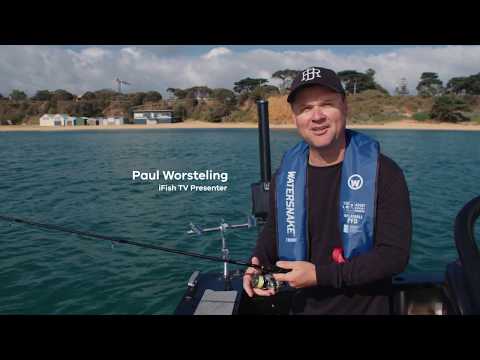
PLAY FILM ▶
Marine-pest communication connects ecological understanding with everyday decisions. Our Port Phillip Bay film explores invasive species and their management, while accompanying classroom resources help students understand how pests spread and how people can reduce that risk.
WATCH THE FILM & EXPLORE LESSONS ↗Working with Professor Jamie Seymour on The Nature of Science, Jarrod helped bring research on venomous animals to the screen. It is another way into science: invite curiosity, reveal the experiment and give people a reason to keep asking questions.
EXPLORE THE NATURE OF SCIENCE ↗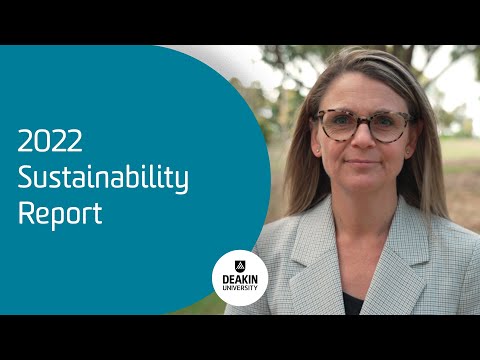
Our work with Deakin University’s sustainability team turns organisational priorities into stories people can follow. It brings the same approach to a different setting: understand the subject, find the people within it and communicate with clarity.
VIEW THE DEAKIN PROJECT →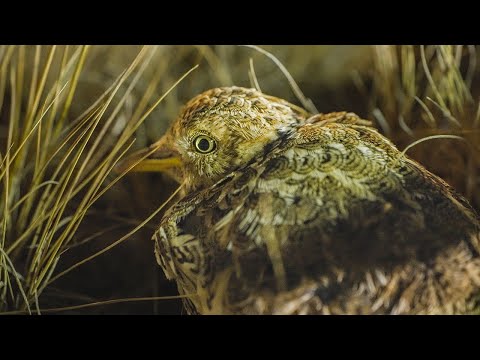
That perspective travels with us onto land. Stories such as Patho Plains connect threatened wildlife with the people caring for its habitat, showing how conservation fits into a working landscape.
EXPLORE PATHO PLAINS →EXPLORE MACQUARIE PERCH CONSERVATION →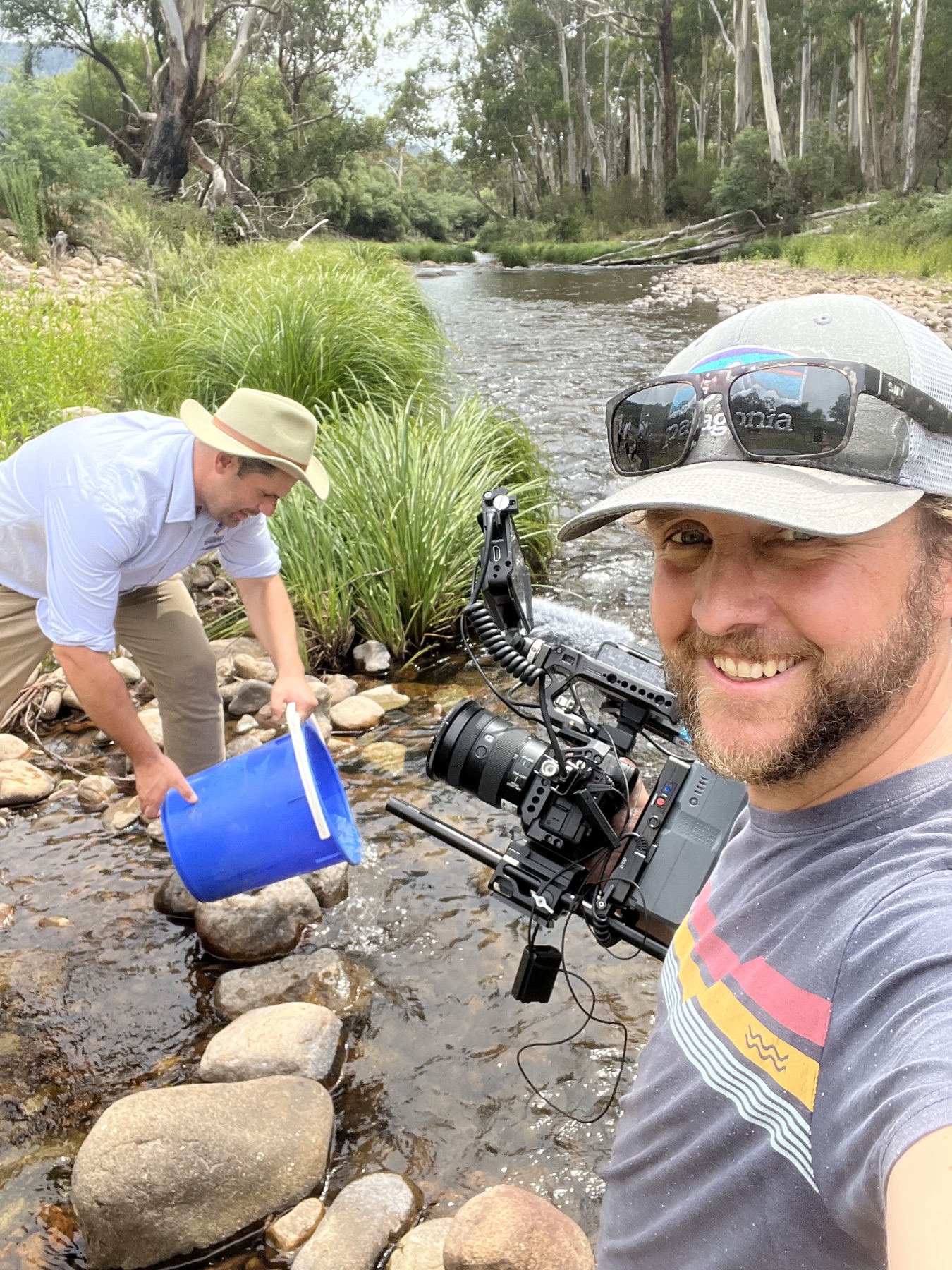
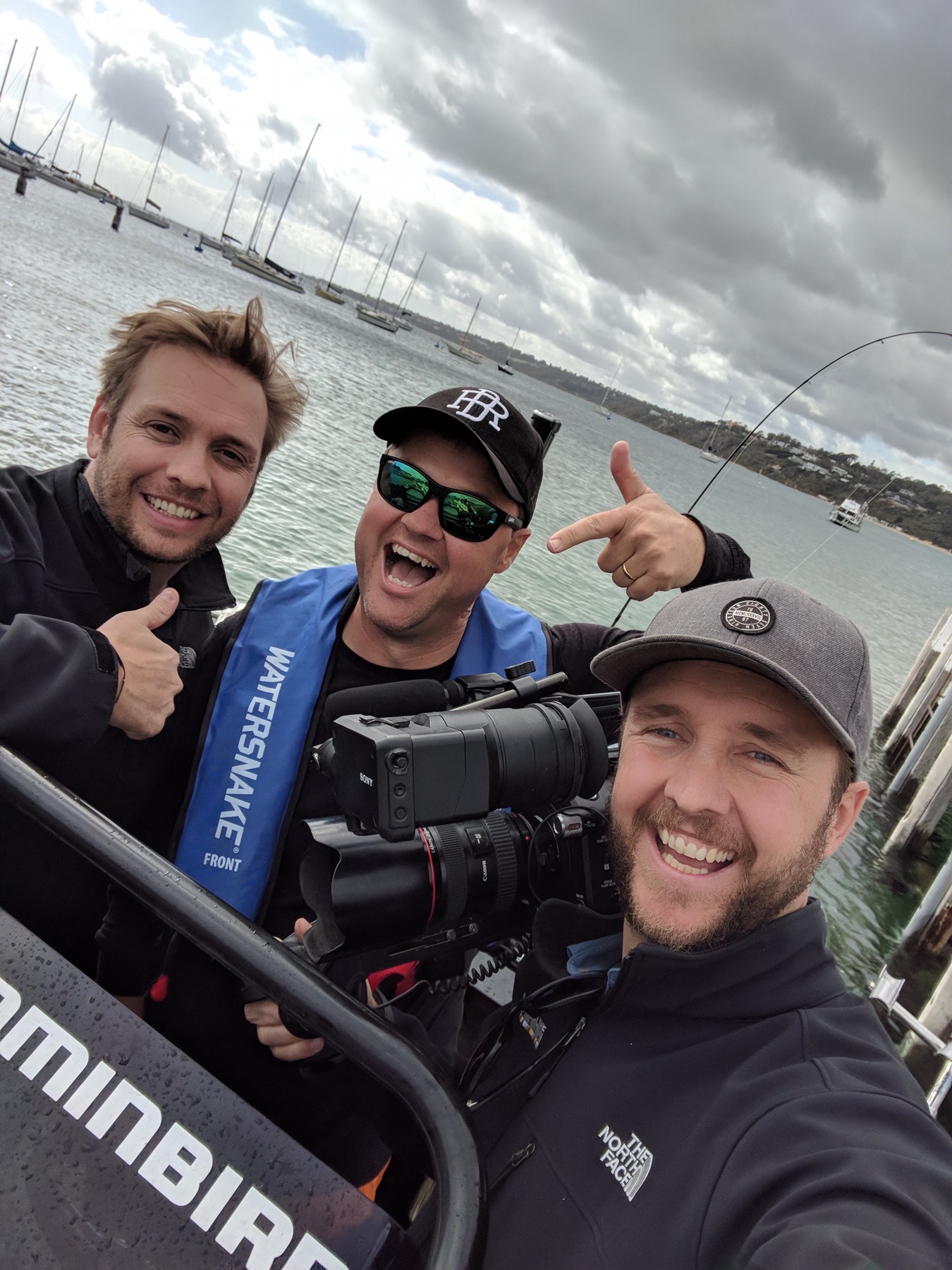
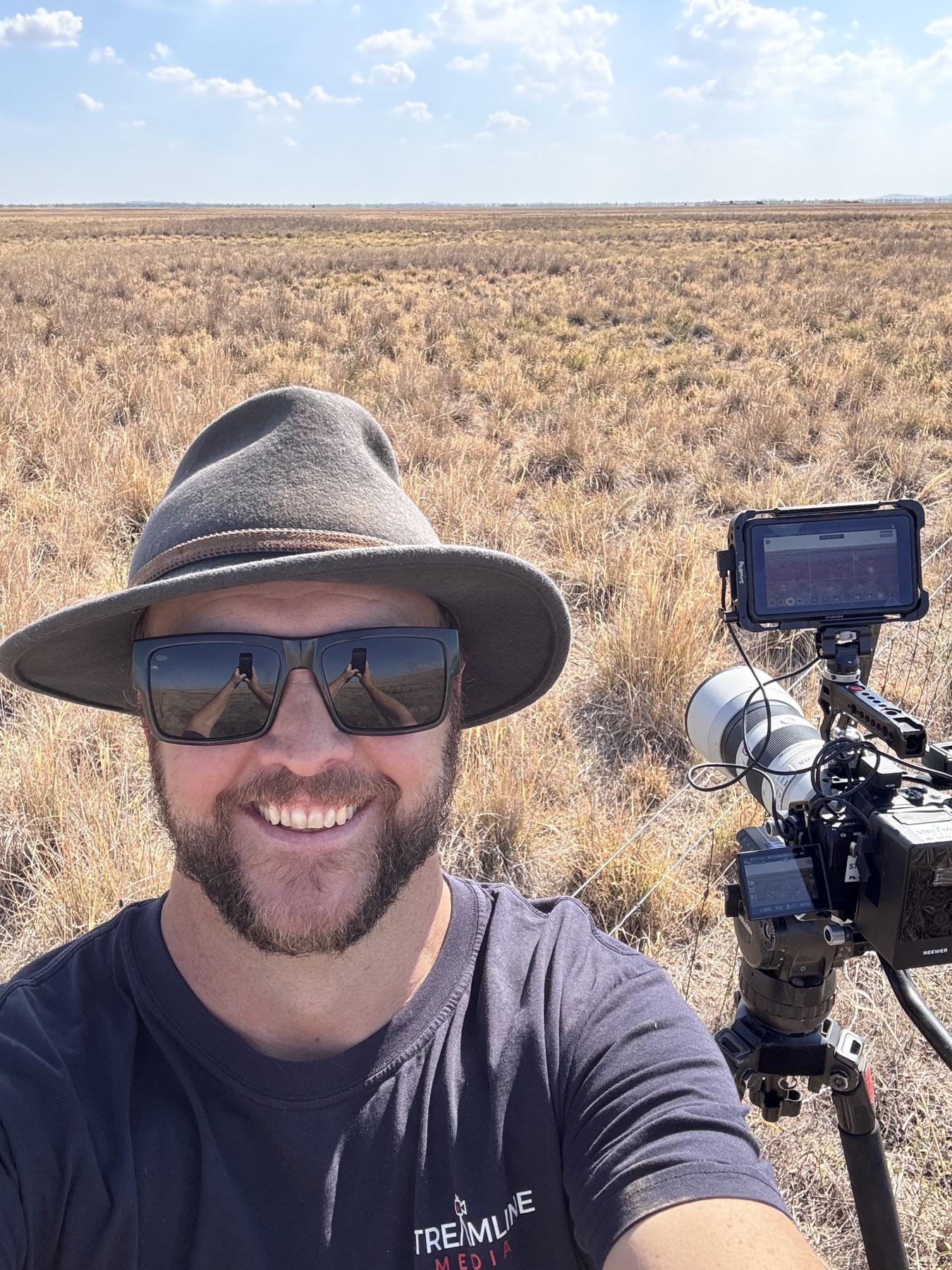
Bring us your question, your fieldwork or the change you’re working towards.
TELL US ABOUT YOUR PROJECT →